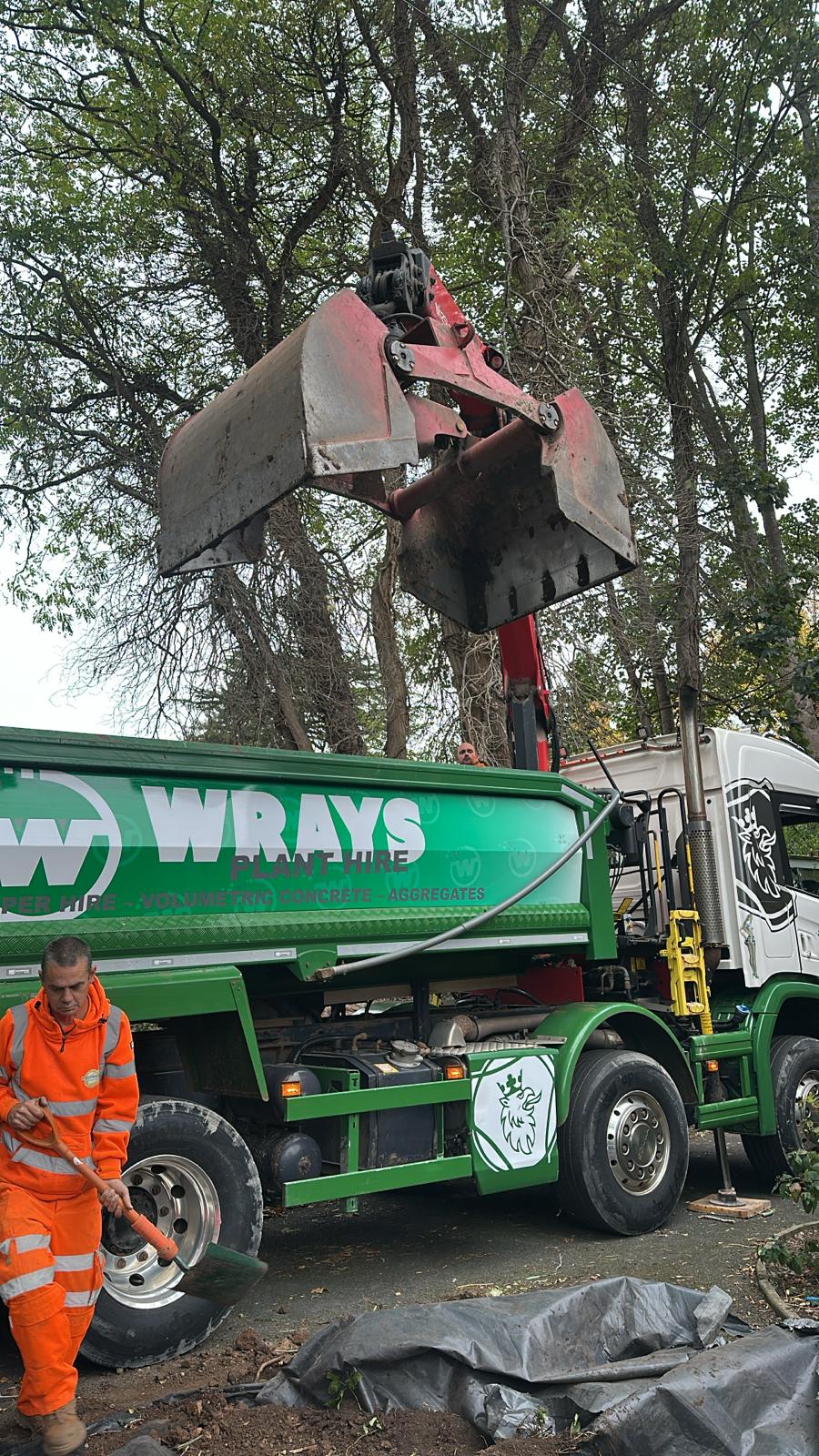
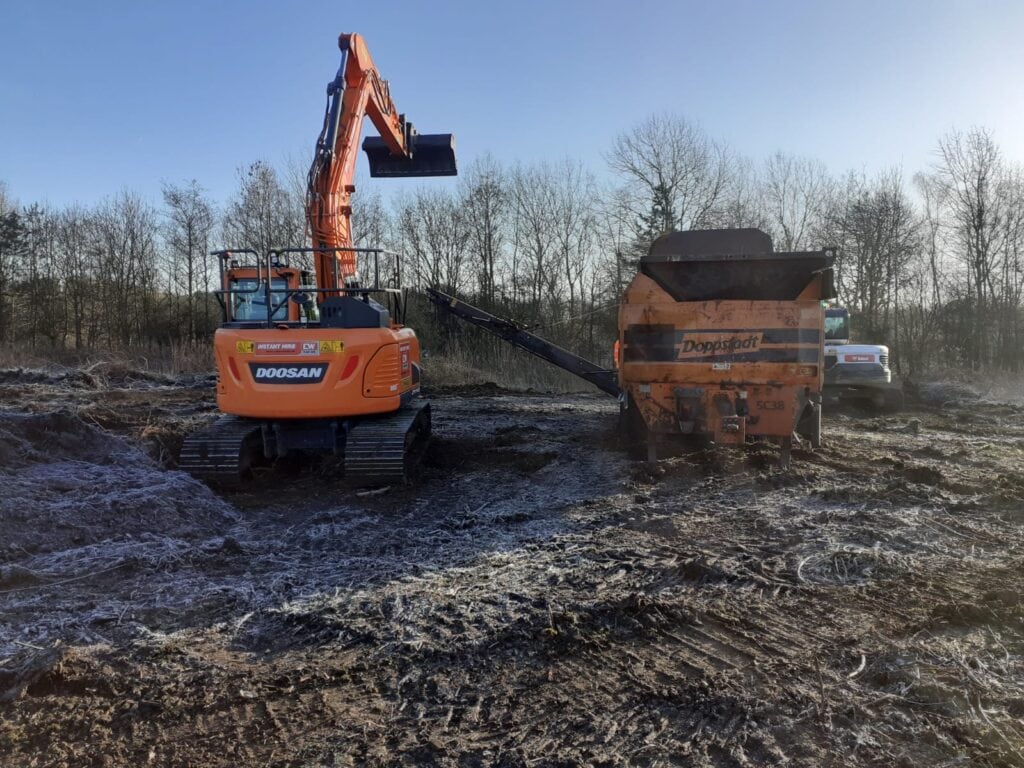
Japanese Knotweed must be disposed of as controlled waste in the UK, meaning contaminated plant material must be transported by a registered waste carrier and taken to an authorised landfill site or approved disposal facility.
Japanese Knotweed is one of the most well-known invasive plants found across the British Isles. Originally introduced from eastern Asia as an ornamental garden plant, it is now widely recognised as a problematic invasive non native species.
Today, Japanese Knotweed is the most common of the four invasive knotweed species present in the UK. Giant Knotweed is another closely related invasive plant that is also listed on regulatory schedules due to its ability to spread rapidly.
Japanese Knotweed can grow in a wide range of soil conditions and is particularly successful in man made habitats such as railway embankments, construction sites, roadsides and areas of waste ground.
Because the plant spreads easily and regenerates from small fragments of plant material, strict legal rules apply when attempting to dispose of Japanese Knotweed. Once removed from land, Japanese knotweed waste is classified as controlled waste and must be handled and transported correctly.
Understanding how to dispose of Japanese Knotweed safely is therefore essential for property owners, developers and land managers.
How to Dispose of Japanese Knotweed in the UK (Step-by-Step)
Disposing of Japanese Knotweed must be done carefully because Japanese knotweed waste is classified as controlled waste under the Environmental Protection Act 1990.
The correct disposal process typically involves the following steps:
- Confirm identification
- Ensure the plant is Japanese Knotweed or another invasive species, such as giant Knotweed.
- Avoid disturbing the plant unnecessarily.
- Even small fragments of plant material or knotweed rhizome can generate a new plant.
- Treat the infestation where appropriate.
- Many management plans begin by applying herbicides to treat Japanese Knotweed and slow plant growth.
- Excavate or contain the contaminated material.
- This may involve removing soil containing knotweed material or isolating the area with a geotextile membrane.
- Transport the waste using a registered waste carrier.
- Any Japanese knotweed waste must be transported by an authorised carrier and handled as controlled waste.
- Dispose of the waste at an authorised facility.
- Waste must be taken to an authorised landfill site or other suitable disposal site, such as an approved incineration facility.
- Keep waste transfer documentation.
- Regulations require that the waste transfer note describing the Japanese knotweed waste be retained for at least two years.
Because of the strict legal requirements, many property owners choose to work with professional contractors experienced in managing invasive plants such as Japanese Knotweed.
Table of Contents
Identifying Japanese Knotweed
Identifying Japanese Knotweed is the first step to responsibly handling the plant.
During early spring, the reddish purple shoots from the fleshy crimson buds located near the ground begin to emerge. The shoots will then expand rapidly and will form hollow bamboo-like stems, typically growing to approximately 2 meters in height by late summer.
Some key identifiers include:
- Bamboo-like stems (typically very hollow)
- Leaves are heart or shovel-shaped and can be as long as 14 cm.
- Small creamy white flowers in late summer/early fall
- Dead brown canes (hollow) after the growth has died back for the season.
It’s worth noting that although the above-ground growth appears to have died back at the end of each season, the underground root system remains active.
Japanese Knotweed produces an extensive amount of knotweed rhizomes beneath the surface of the earth. The rhizomes produced are thick and woody with a distinctively bright orange centre once cut.
Parent plants can produce new plants with their rhizomes; producing new plants can occur up to 7 meters horizontally and up to 3 meters vertically. A few pieces of plant material/rhizome can create a new plant and can also lead to the rapid spread of the plant if contaminated soil is moved.
The dormancy period of some rhizomes can vary. Thus, disturbed ground can sometimes result in new growth occurring many years down the road.
Why Japanese Knotweed Must Be Controlled
Because of its aggressive growth and ability to spread quickly, Japanese Knotweed can cause damage to structures and infrastructure.
The plant has been known to affect:
- Concrete foundations
- Roads and paving
- Flood defences
- Drainage systems
Dense stands of Japanese Knotweed can also displace native plants, reducing biodiversity and disrupting local ecosystems.
For these reasons, Japanese Knotweed is considered one of the most problematic invasive weeds in the UK.
There are also important legal implications for failing to control the plant if it spreads onto neighbouring properties.
Why Japanese Knotweed Is Classified as Controlled Waste
Under the Environmental Protection Act 1990, Japanese knotweed waste is legally classified as controlled waste.
This means that once Japanese Knotweed is removed from land, the contaminated plant material must be handled and disposed of safely.
The law requires that Japanese knotweed waste is transported to an authorised disposal site, such as a permitted landfill site or incineration facility, using a registered waste carrier.
Only facilities with the correct type of permit are allowed to accept Japanese knotweed waste.
The Environment Agency regulates the disposal of controlled waste to ensure invasive plants do not spread through improper waste management.
Legal Responsibilities for Landowners
Although it is not illegal simply to have Japanese Knotweed growing on your land, it is illegal to allow the plant to spread into the wild.
Under the Wildlife and Countryside Act 1981, Japanese Knotweed is listed on Schedule 9, making it an offence to plant it or cause it to grow in the wild.
Landowners, therefore, have a legal responsibility to prevent Japanese Knotweed from spreading to neighbouring land.
Failure to manage the plant properly can lead to legal consequences, including enforcement action. Authorities may use powers under the Anti-social Behaviour, Crime and Policing Act 2014 to require landowners to control Japanese Knotweed.
Knotweed Legal Liability Checker
Answer a few quick questions for a general indication of whether Japanese knotweed could create legal, boundary, or property transaction concerns. This tool is informational only and is not legal advice.
Transporting Japanese Knotweed Waste
When Japanese knotweed waste is removed from land, it must be handled as controlled waste.
This means:
- A registered waste carrier must transport waste
- Vehicles must be enclosed so that no plant material can escape
- A waste transfer note must be completed and retained for two years
The waste must be taken to a licensed local waste disposal site, such as an authorised landfill site or other permitted disposal site.
Japanese knotweed waste must be sealed securely during transport so fragments cannot escape and create new infestations.
You should never place Japanese knotweed waste in household bins or local council garden waste collections.
Disposal at an Authorised Landfill Site
One of the most common ways to dispose of Japanese Knotweed is by transporting the contaminated plant material to an authorised landfill site.
If the material cannot be disposed of on site, it must be taken to a landfill site or incineration facility that holds the correct environmental permit.
The Environment Agency must be informed where Japanese knotweed waste has been sent for disposal.
Burying Japanese Knotweed on Site
In some circumstances, it may be possible to bury knotweed material on the same site where it was discovered.
However, strict rules apply. The Environment Agency usually requires notification at least one month before burial.
The material must be buried:
- At least 5 metres deep, or
- 2 metres deep if wrapped in a geotextile membrane
This containment prevents the knotweed rhizome from reaching the surface.
Can You Burn Japanese Knotweed?
In some situations, it may be permissible to burn Japanese Knotweed, but strict regulations apply.
Burning typically requires a D7 waste exemption and must comply with local council guidance.
Even when burning is allowed, knotweed crowns and rhizomes may survive burning, meaning additional disposal or treatment is often required.
Knotweed Risk Checker
Answer a few quick questions to get a general indication of the level of risk Japanese knotweed may pose to your property.
Herbicide Treatment for Japanese Knotweed
Before removal takes place, specialists often treat Knotweed using herbicides.
Many treatment programmes involve glyphosate-based herbicides, which are widely recommended for effective control of Japanese Knotweed. Spraying or injecting chemicals into the stems helps weaken the plant and slow plant growth, reducing the risk of spread.
However, complete eradication using herbicide treatment often takes three growing seasons or more.
Disposal Method Explorer
Compare the main ways Japanese knotweed can be treated, removed, and disposed of. This gives a general overview only - the right option depends on the site, the extent of the infestation, and the legal requirements involved.
Herbicide Treatment
Herbicide treatment is often used where the aim is to treat Japanese knotweed over time rather than remove large volumes of soil immediately. This is commonly suitable where disturbance needs to be kept to a minimum and a longer-term management plan is acceptable.
Treatment programmes often use glyphosate-based herbicides, applied through spraying or stem injection, to weaken the plant and reduce regrowth over multiple growing seasons.
Excavation and Off-Site Disposal
Excavation is often the fastest way to remove the visible infestation and contaminated soil. The excavated knotweed material and associated soil are typically transported off site as controlled waste using a registered waste carrier.
This approach is commonly chosen where a quick resolution is needed, such as before development, major landscaping, or certain property transactions.
On-Site Burial
In some circumstances, excavated Japanese knotweed can be buried on site rather than removed from the property. This can reduce haulage costs and avoid transporting large volumes of soil, but it must be carried out strictly in line with the relevant guidance.
Burial depth, containment, and notification requirements are important. In many cases, the Environment Agency must be notified before burial takes place.
Incineration
Disposal via an approved incineration facility may be appropriate in some circumstances, particularly where the material cannot be managed safely on site and a suitably permitted facility is available.
As with any off-site movement, the material must still be handled as controlled waste and transported using the correct waste procedures.
Controlled Burning
Controlled burning may be permissible in limited circumstances, but it is not a complete disposal solution on its own. Above-ground material may be reduced, but knotweed crowns and rhizomes can survive if the process is not managed properly.
Burning generally requires the correct exemption and must also comply with local council guidance. For that reason, it is usually considered a specialist option rather than a standard domestic approach.
Professional Management and Treatment
Although small infestations can sometimes be managed independently, many property owners choose to work with professional contractors who specialise in managing invasive plants such as Japanese Knotweed.
Professional treatment programmes may include:
- Herbicide treatment programmes
- Chemicals spraying or stem injection
- Long-term management plans
- Monitoring and site inspections
In a lot of cases, the best way to deal with Knotweed is to remove all of the root system (rhizomes) along with all contaminated soil using professional excavation.
All the removed plant material will be disposed of at an approved disposal site by law (regulated as controlled waste).
Additionally, it’s common for treatment programs to include a guarantee backed by insurance, as well as being required by mortgage lenders when selling a property.
Choosing a Professional Knotweed Specialist
Choosing how to dispose of Japanese Knotweed properly is best done with the help of experts.
When you are searching for someone to treat your Japanese Knotweed, be sure that the contractor you select has:
- The correct certifications and registration
- Uses registered disposal sites
- Will provide copies of the Waste Transfer Documentation
Long term monitoring and insurance backed warranties are part of many professional treatments of Japanese Knotweed.
Mortgage lenders require these types of warranties when selling properties in which there has been treatment of Japanese Knotweed, specifically a Knotweed Management Plan and an Insurance Backed Warranty for 10 years.
In addition, most professionals can remove Japanese Knotweed faster and more effectively than homeowners who try to do this themselves.
Professional Japanese Knotweed Services
Knotweed Services offers a wide range of services to help you manage your Japanese Knotweed problems.
We can help you in the following ways:
- Identify whether or not you have Japanese Knotweed
- Dispose of Japanese Knotweed waste lawfully
- Develop long term solutions to treat Japanese Knotweed
- Provide reports which are suitable for use in the sale/purchase of properties
Knotweed Services provides the following:
- Site Surveys
- Management Plans
- Herbicide Treatment Programs
- Removal of Knotweed Material
- Disposal of Controlled Waste to Authorised Facilities
Speak to a Knotweed Specialist
If you suspect Japanese Knotweed may be growing on your land, obtaining a professional assessment is the safest next step.
A specialist inspection can confirm whether the plant is Japanese Knotweed, determine the extent of the infestation, and recommend the most appropriate treatment or disposal strategy.
To arrange an inspection or discuss your situation, contact Knotweed Services and speak with a specialist adviser.
Key Points When Disposing of Japanese Knotweed
- Waste generated by Japanese Knotweed is classed as “controlled” waste.
- A Registered Waste Carrier must carry out the transportation of this waste.
- The waste must then be disposed of at a landfill that has been authorised or a permitted disposal facility.
- Documentation of waste transfer must be retained for a period of two (2) years.
- It’s best to seek the assistance of professionals when disposing of Japanese Knotweed waste as they are likely to be able to provide both the safest and most cost effective means of doing so.
FAQ
Yes. Under the Environmental Protection Act, Japanese knotweed waste is classified as controlled waste and must be disposed of safely.
Yes. It is illegal to either plant Japanese Knotweed or to allow Japanese Knotweed to grow in the wild, pursuant to Section 14(2)(c) of the Wildlife and Countryside Act 1981.
Yes. Rhizome fragments as small as 1 cm in length have produced a new plant. This is why proper handling and disposal of all Japanese Knotweed waste is necessary.
Japanese Knotweed eradication using herbicides will require multiple growing seasons. However, complete eradication can occur more quickly through excavation and or the use of professional services.